Accessible travel: a guide to ferries and ports for PRM
Accessible seas: travel as an inclusive experience
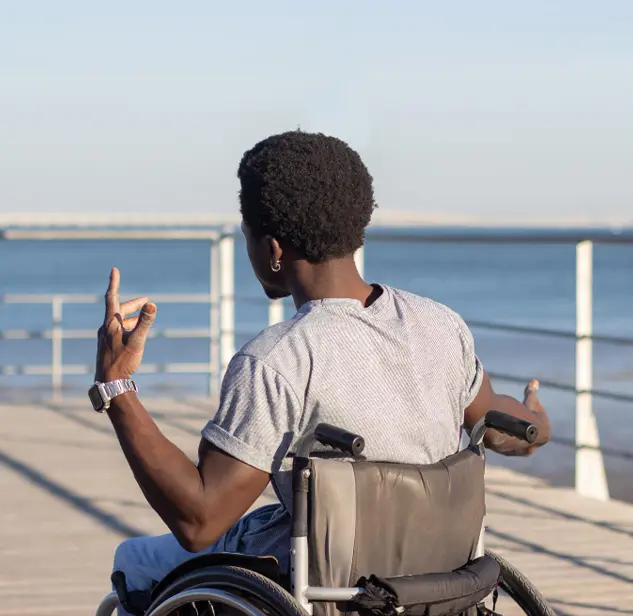
Accessible tourism is both a right and a tangible travel opportunity for everyone. In the context of sea connections too, guaranteeing accessibility on ferries means allowing every passenger to travel safely and at no extra cost. EU Regulation 1177/2010 protects these rights and provides, upon request, free assistance at the port and on board for passengers holding certifications such as a Disability Card or official disability status. Persons with reduced mobility (PRM) include not only wheelchair users but also the elderly, people with sensory disabilities, or those with temporarily reduced mobility. Promoting truly inclusive tourism therefore means responding to the needs of a wide and diverse range of travellers.
What accessibility on ferries means
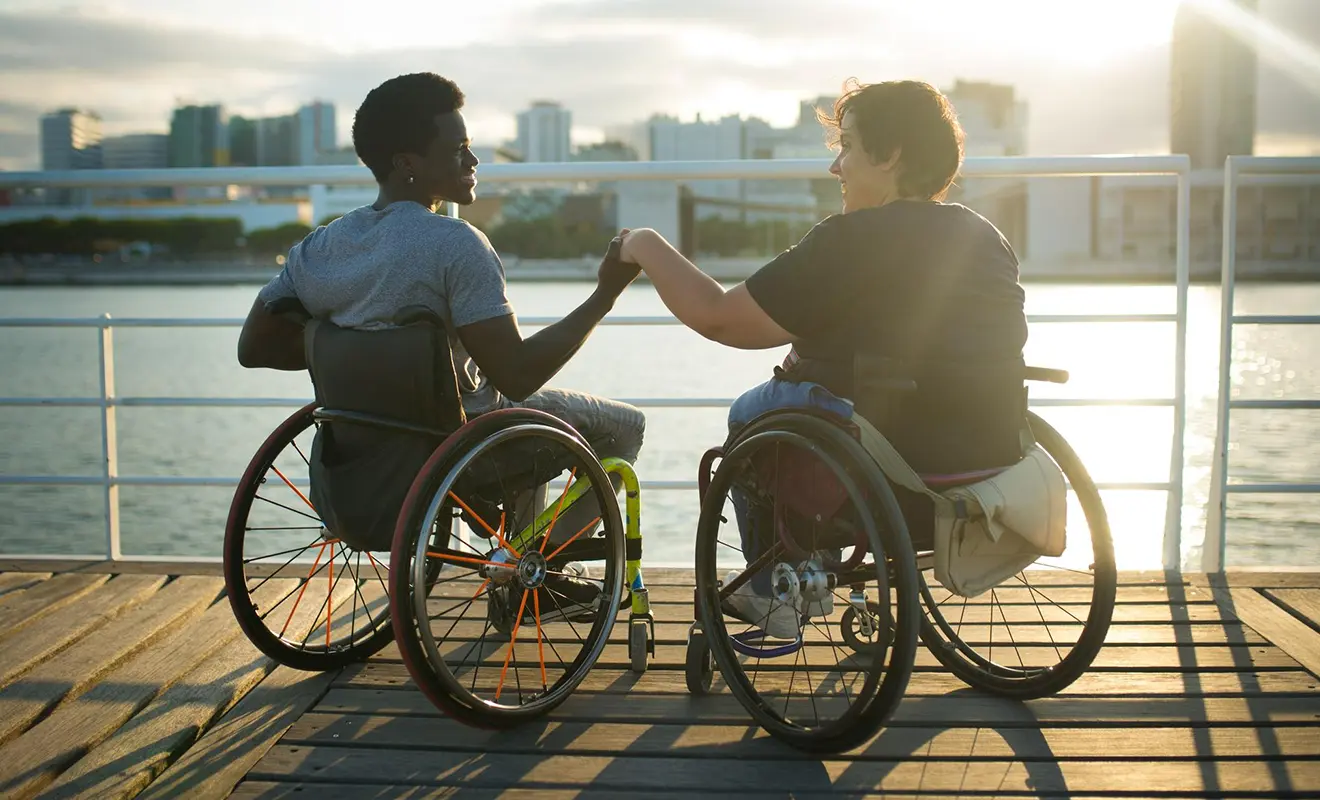
Talking about accessibility in maritime transport means considering the journey as a series of connected experiences, beginning long before boarding and concluding only after disembarkation. Ferry accessibility concerns every phase of the crossing: from arrival at the port and assisted boarding and disembarkation procedures to the ability to move independently and without obstacles inside the ship.
Key elements include the presence of ramps or lifts, dedicated waiting areas, clear and easily readable signage, and services designed to meet the needs of passengers with reduced mobility. On long-haul routes, accessible cabins may also be available, designed to ensure comfort during extended journeys.
In the case of the connections operated by Ichnusa Lines, which last less than an hour, cabins are not provided. Attention is therefore focused on the functionality of common areas, ease of movement on board, and assistance provided by staff during all phases of the crossing. Emergency management also plays a vital role and must always account for the needs of passengers with disabilities and PRMs, ensuring clear procedures and adequate support.
How to organise your trip
Smooth travel always begins with good organisation, especially when using services for passengers with disabilities or services for passengers with reduced mobility. Reporting reduced mobility on the ferry in advance allows for correct assistance planning, making boarding operations simpler, faster, and more coordinated.
Accessible ports in Sardinia generally feature barrier-free routes, reserved areas for PRMs, and staff trained to accompany passengers during boarding and disembarkation. Arriving at the port at least one hour before departure allows all procedures to be carried out calmly, reducing potential waits and ensuring more effective support.
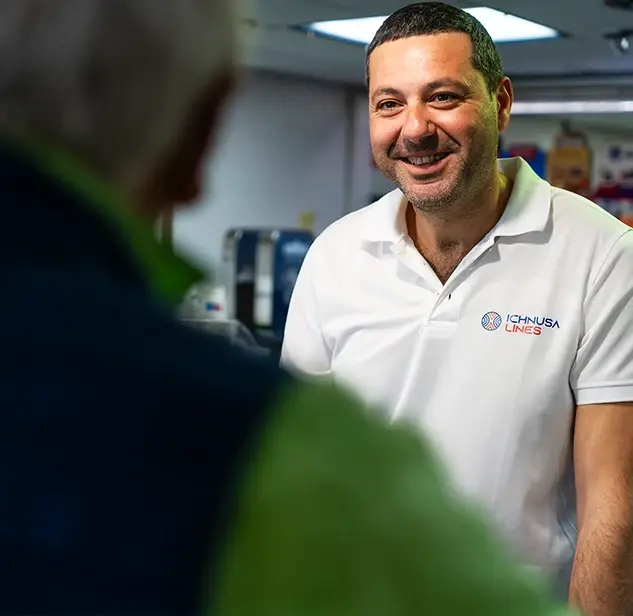
In compliance with EU Regulation 1177/2010, Ichnusa Lines offers assistance to passengers with disabilities and those with reduced mobility. It is necessary to indicate the request for assistance at the time of booking to allow for the proper organisation of activities both at the port and on board the ferry. Additionally, a companion may travel free of charge.
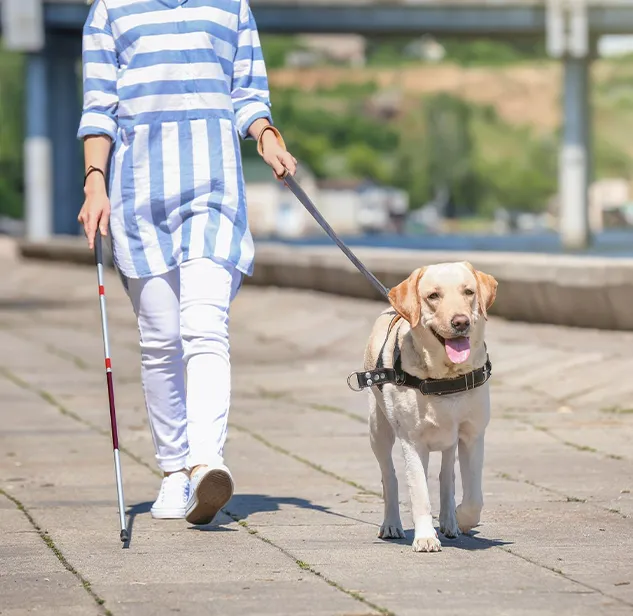
Special attention is also given to guide dogs for people with disabilities, which travel free of charge and can access the internal areas of the ship in compliance with current regulations. The focus on port accessibility and accessible ferries between Sardinia and Corsica contributes to a more conscious journey in line with the principles of inclusive tourism.
On board Ichnusa Lines: spaces and services
During the crossing, assistance on board the ferry is designed to ensure comfort, safety, and ease of movement. Ichnusa Lines vessels are equipped with access ramps, clear signage, and common areas organised to facilitate the movement of passengers with reduced mobility.
Accessible bar areas allow for easy use of on-board services, while external decks are accessible depending on sailing conditions, offering the chance to enjoy the crossing peacefully. On-board toilets are designed taking into account the needs of PRM, relative to the ship type and the short duration of the journey.
To confirm equipment, assistance methods, and port accessibility on the Sardinia–Corsica routes, it is always recommended to contact Ichnusa Lines customer service before departure. Clear and advance information is the first step towards a truly barrier-free, accessible tourism experience.