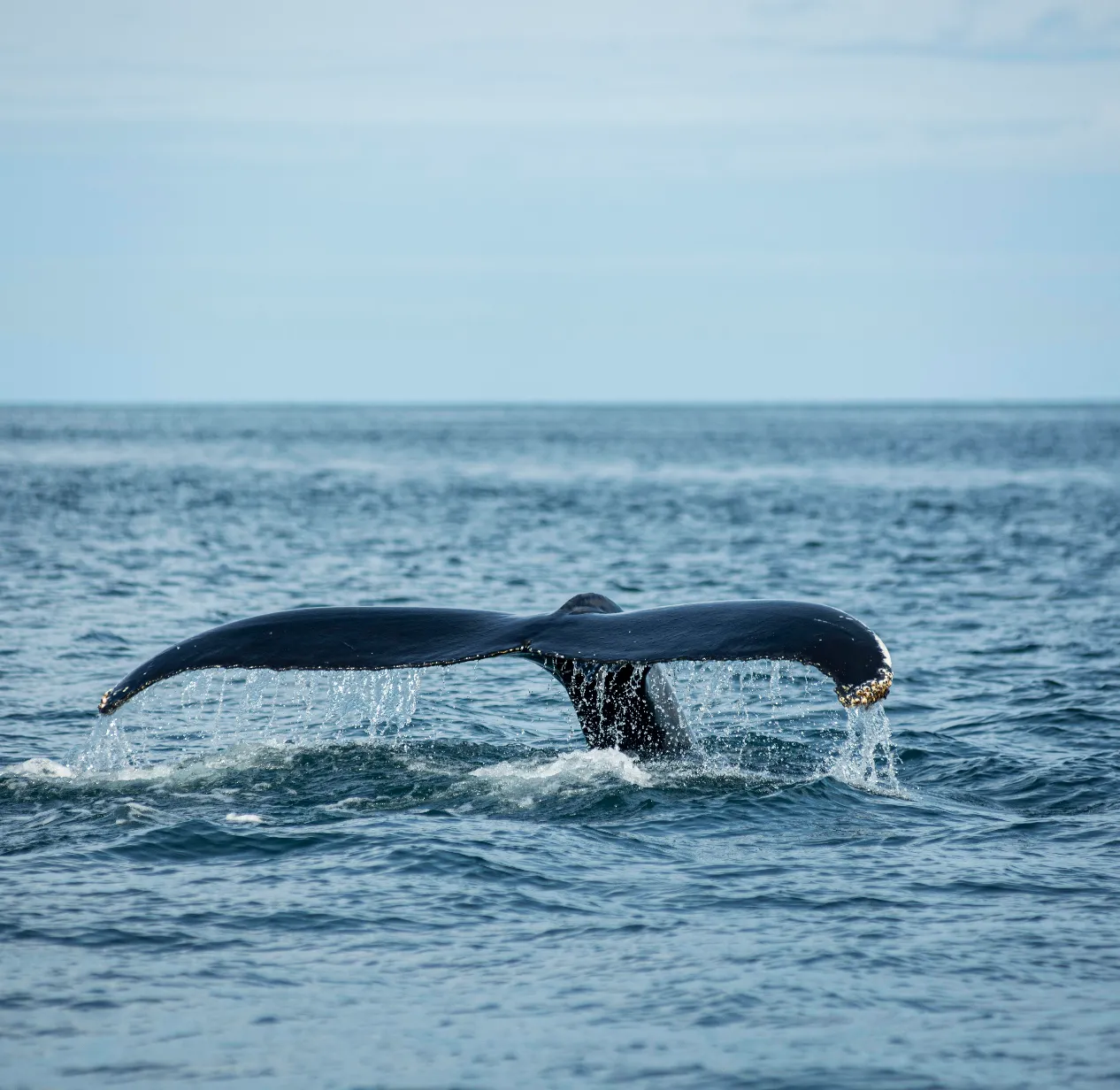
Dolphins and whales in the Strait of Bonifacio: a family sea adventure
Sailing with Dolphins: A Magical Crossing Aboard Ichnusa Lines
Anyone crossing between Santa Teresa di Gallura and Bonifacio on board Ichnusa Lines knows that the 50 minutes at sea can hold extraordinary encounters. A glance towards the open water, the sudden white of a wake, a fin breaking the surface and then vanishing: the Strait of Bonifacio is one of the places in the Mediterranean where the chances of spotting cetaceans such as dolphins and whales are highest. An adventure accessible to everyone, perfect for families with children, that turns a simple crossing into an unforgettable wildlife experience.
The “Cetacean Triangle”: the marine ecosystem between Sardinia and Corsica
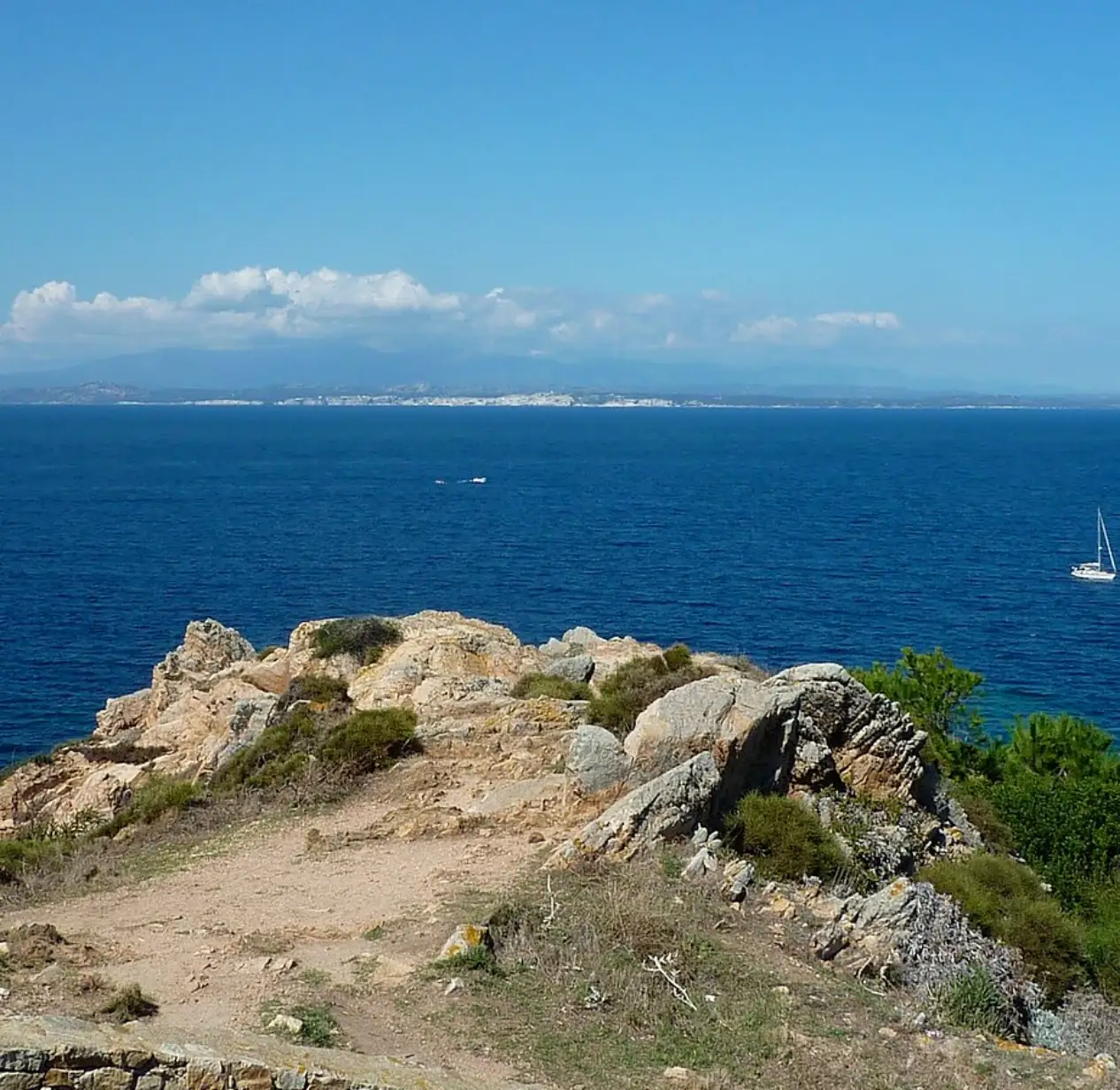
The Strait of Bonifacio separates Sardinia from Corsica by just 12 kilometres. But what looks like a simple strait is actually one of the most complex and productive marine ecosystems in the entire Mediterranean. The shape of the seabed, with underwater canyons reaching depths of over 1,000 metres, and the meeting of currents from the Tyrrhenian Sea and the Western Basin, create ideal conditions for an extraordinarily rich food chain.
Krill, pelagic fish and cephalopods are abundant in these waters, reliably attracting some of the largest and most fascinating cetacean species in the Mediterranean. It’s no coincidence that this stretch of sea is often called the “Cetacean Triangle”: an area where sightings are not the exception, but almost the rule.
What is the Pelagos Sanctuary and why does it protect the Strait of Bonifacio
The Strait of Bonifacio lies within the Pelagos Sanctuary, a protected marine area of 87,500 square kilometres established in 1999 under an agreement between Italy, France and the Principality of Monaco. The Sanctuary covers the Corso-Ligurian-Provençal basin and protects marine mammals and their habitat from any disturbance, whether pollution, excessive shipping traffic or irresponsible human activity.
Pelagos is considered one of the most critical areas in the Mediterranean for marine biodiversity. Its establishment has made it possible to monitor and protect the cetacean populations that frequent these waters, ensuring that every generation of travellers can continue to admire them in their natural environment.
📷 Photo: LPLT/ Wikimedia Commons – Bouches de Bonifacio (CC BY-SA 3.0)
Which cetaceans can be found in the Strait of Bonifacio
Dolphins: the most beloved stars of the show
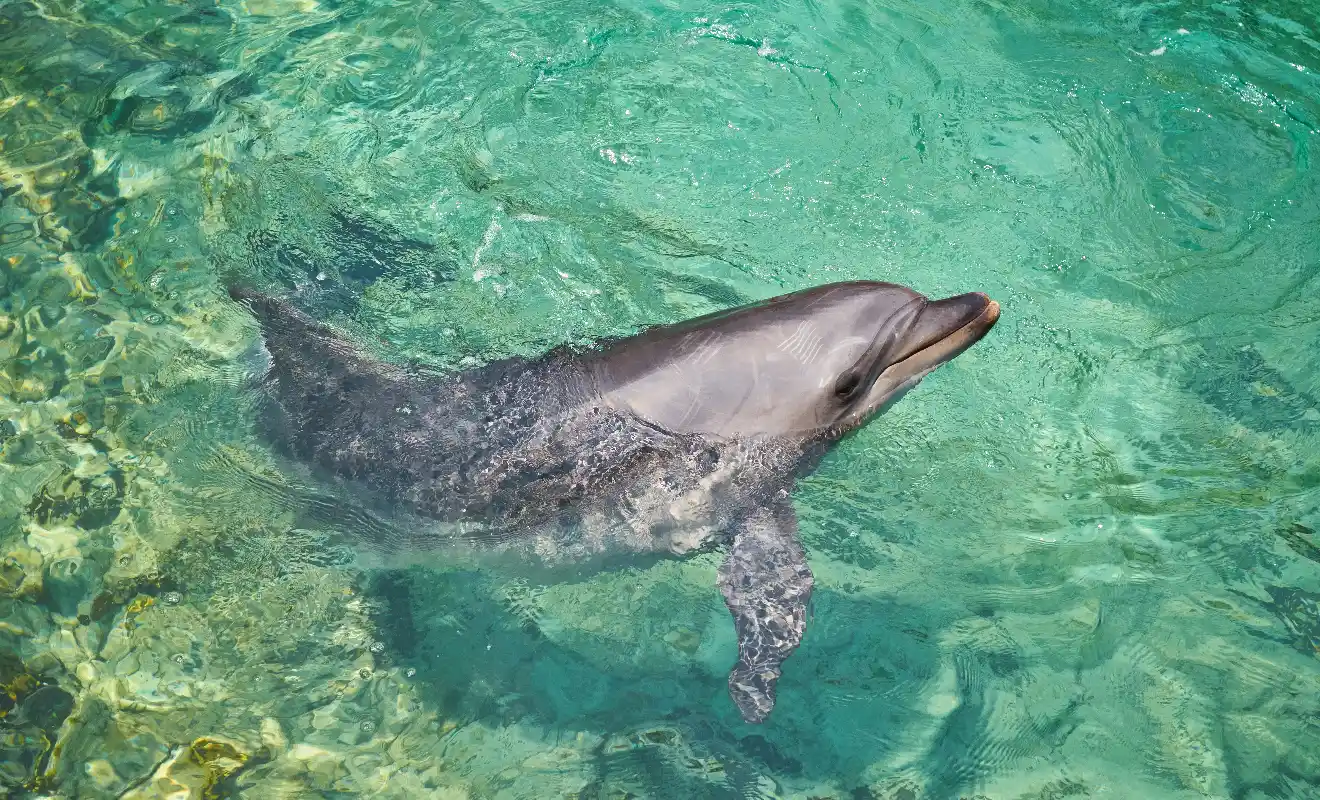
The bottlenose dolphin (Tursiops truncatus) is the species most easily spotted along the crossing. These dolphins live in stable groups, swim close to the surface and are curious about boats: it’s not unusual to see them darting through the waves created by the bow, almost as if escorting the ferry. Children recognise them instantly, and the enthusiasm with which they follow them with their eyes is contagious.
Present, though less frequently, is also the common dolphin (Delphinus delphis), smaller and faster, which often forms large pods.
Fin whales: the giants of the strait
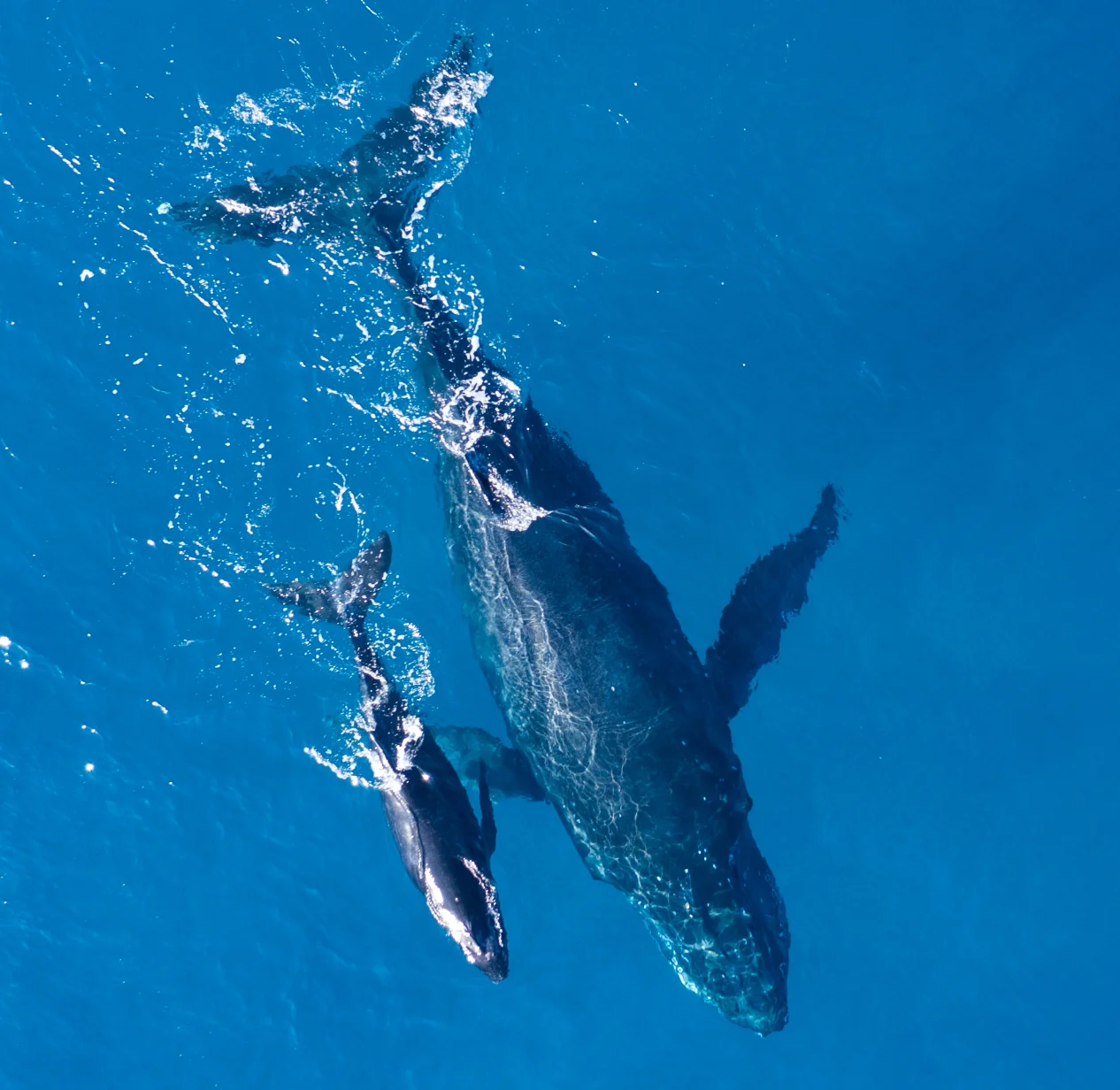
The fin whale (Balaenoptera physalus) is the second largest animal on the planet, after the blue whale, and visits the Strait of Bonifacio with a certain regularity, especially in summer. When it surfaces, its vertical blow can reach up to 6 metres in height: a truly breathtaking sight. Fin whales feed on krill and pelagic fish, and the abundance of food in these waters draws them back reliably every year.
Occasional visitors: sperm whales and more
In deeper waters, particularly in areas with underwater canyons, it is also possible to encounter the sperm whale (Physeter macrocephalus), recognisable by its distinctive angled blow and square-shaped head. Occasional sightings also include the Risso’s dolphin (Grampus griseus), the Cuvier’s beaked whale (Ziphius cavirostris) and the striped dolphin (Stenella coeruleoalba), one of the most common dolphin species in the Mediterranean.
When is it easiest to spot cetaceans
The best period runs from April to September, with the summer months — June, July and August — being particularly favourable: sea conditions are calmer, visibility is excellent and surface food concentration is at its peak. Cetaceans from the Pelagos Sanctuary are, however, present in the Strait of Bonifacio for much of the year, and even spring or autumn crossings can offer significant sightings.
The time of day doesn’t have a decisive impact, but morning hours, when the sea is calmer and the light is low, make it easier to spot blows on the surface.
How to plan an excursion with children
The Strait of Bonifacio is perfectly suited to a family adventure. Any parent will naturally wonder: at what age can a child join an open-sea excursion? The answer is: it depends on the boat and the duration. For short crossings like the Ichnusa Lines one (just 50 minutes), there are no particular age restrictions, and the brevity of the trip minimises the risk of seasickness.
For those wanting a dedicated cetacean-watching experience, half-day Whale Watching excursions depart daily from the La Maddalena Archipelago and from the port of Santa Teresa di Gallura, often with naturalist guides or marine biologists on board. A few practical tips for families:
- Dress children in layers: on the ferry deck, the sea breeze can feel cool even in the height of summer.
- Bring binoculars: a compact pair of binoculars makes a real difference when spotting from a distance.
- Stay on the outer deck: the open deck offers the best visibility of the surrounding waters.
- Look for the blows: the white spray on the surface is often the first sign of a fin whale or sperm whale nearby.
- Don’t expect a guarantee: cetaceans live freely in their habitat. A sighting is never 100% certain, but in the Strait of Bonifacio the odds are among the highest in the Mediterranean.

The Ichnusa Lines crossing: the simplest way to start the adventure
You don’t need to book a dedicated excursion to hope for an encounter with the cetaceans of the Strait of Bonifacio. Every crossing between Santa Teresa di Gallura and Bonifacio on board Ichnusa Lines passes through one of the richest stretches of sea in the Mediterranean. In 50 minutes of sailing, you cross the entire strait, with a real chance of spotting dolphins swimming close to the bow or fin whales surfacing in the distance.
The outer deck becomes your natural observation point: children and adults lean on the railing, look out over the blue expanse opening up to the south, towards the Lavezzi Islands and the La Maddalena Archipelago, and wait. And often — not always, but often — nature doesn’t disappoint.
A few extra practical tips
- Bring a camera with a zoom lens: the light over the strait is often extraordinary, and the water’s reflection on the granite cliffs offers shots you won’t forget.
- Prepare children for the wait: spotting cetaceans takes patience. Turn it into a game: who will be the first to spot a dolphin’s fin?
- Keep your distance: if you’re on a private boat or excursion, always maintain a safe distance from cetaceans, without chasing them or changing course to get closer: it’s the law of the Pelagos Sanctuary, but above all it’s a matter of respect for the animals.
Whether the crossing brings a close encounter or simply the wonder of the Strait of Bonifacio at dawn, every journey across this stretch of sea stays etched in memory. Even one without dolphins, because the strait knows how to be spectacular all on its own.
Book your ticket now with Ichnusa Lines, the sea is waiting for you!