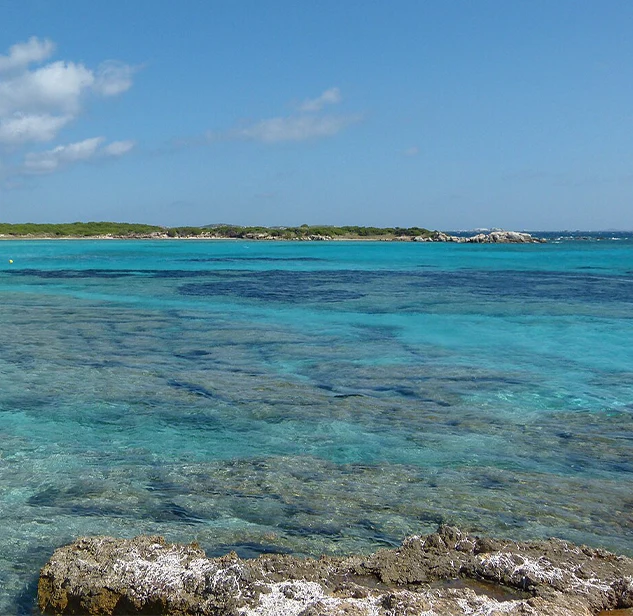
Strait of Bonifacio winds: windsurfing and kitesurfing spots in Corsica
Wind and nature in the Strait of Bonifacio
The Strait of Bonifacio is one of the most powerful natural wind tunnels in the Mediterranean. This strait, separating Sardinia from Corsica, transforms breezes into steady, consistent winds through the Venturi effect, making southern Corsica a must-visit destination for riders from around the world.
The area is also rich in natural beauty: small islands, reefs and limestone cliffs make for breathtaking scenery, while the Bocche di Bonifacio Natural Reserve protects marine ecosystems, rare species and small archipelagos such as the Lavezzi Islands. In some areas, precisely to protect these delicate environments and ensure the safety of navigation and swimmers, activities such as kitesurfing are regulated or prohibited, with specific zones where it is permitted.
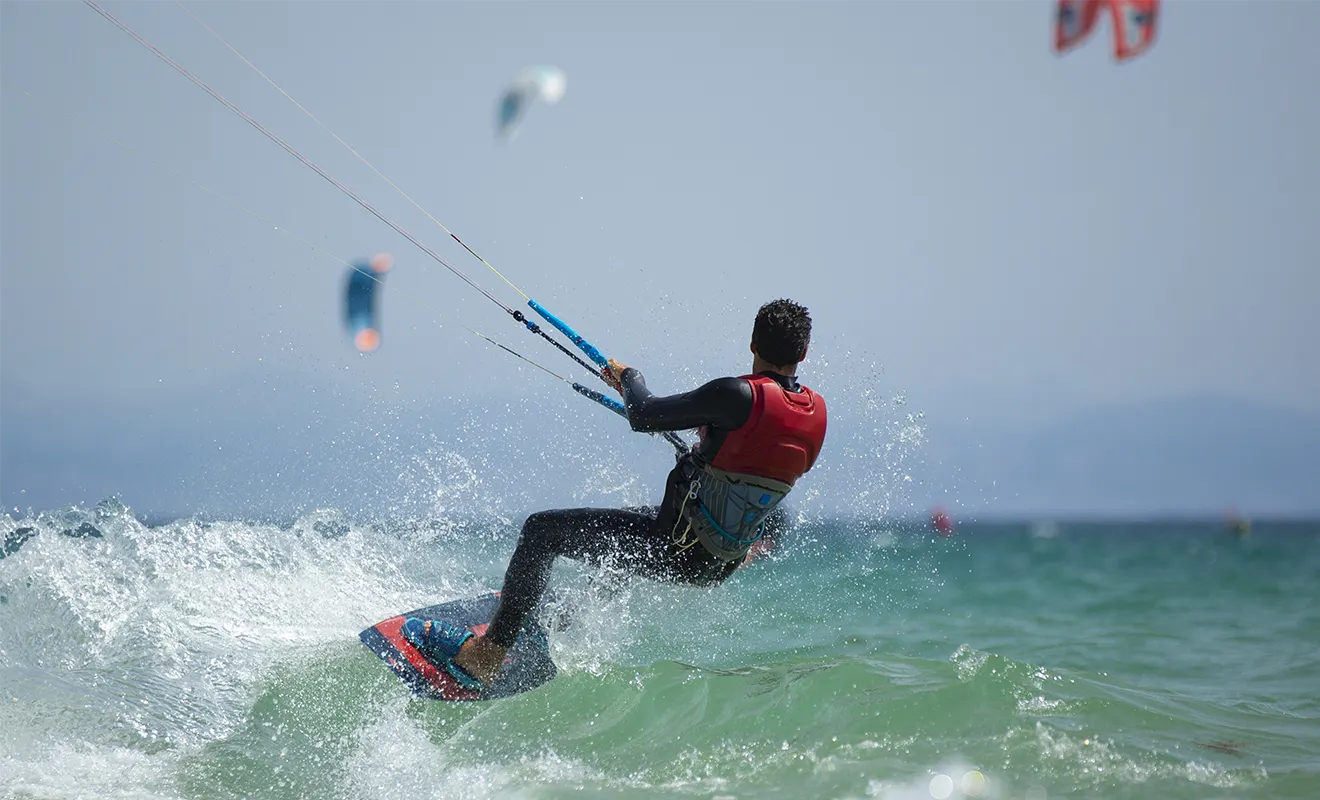
The wind in the Bonifacio Strait: when to go and what to expect
The secret of the Bocche di Bonifacio is consistency. The geomorphological corridor between the two islands accelerates air masses, creating near-daily wind conditions.
To plan a perfect session, it is essential to distinguish the dominant directions:
- Maestrale (NW): The undisputed king of the strait. It arrives gusty near the cliffs but becomes steady and powerful (often above 30 knots) in the middle of the channel. Ideal for speed and wave riding.
- Ponente (W): More regular and less “violent” than the Maestrale, perfect for freestyle and for those looking for long, clean swells.
- Libeccio (SW): A warmer, less stable wind that can generate long, rolling waves; to be used with caution as it can build up the sea and make conditions technically more demanding.
- Termico (local wind): During summer, on sunny days, afternoon thermal breezes develop that are perfect for wingfoil and for those learning.
- Grecale and Levante (NE/E): Less frequent, but capable of creating cross seas and technically stimulating conditions for experienced riders.
The best season runs from spring to autumn: in spring the wind is frequent and the beaches are less crowded; in summer afternoon thermal breezes develop; in autumn Atlantic fronts return, making the Maestrale more powerful and the sea rougher.
Main characteristics that make the Strait of Bonifacio ideal for windsurfing, kitesurfing and other water sports:
- Consistent and powerful wind thanks to the Venturi effect
- Choppy sea offshore and flatter sections near sheltered bays
- Varied session possibilities, from freeride to wave riding
- Deep waters and currents to consider for safety
To plan a session, it is always advisable to consult the wind forecasts for the Strait of Bonifacio and platforms that provide up-to-date data on wind intensity, direction and gusts.
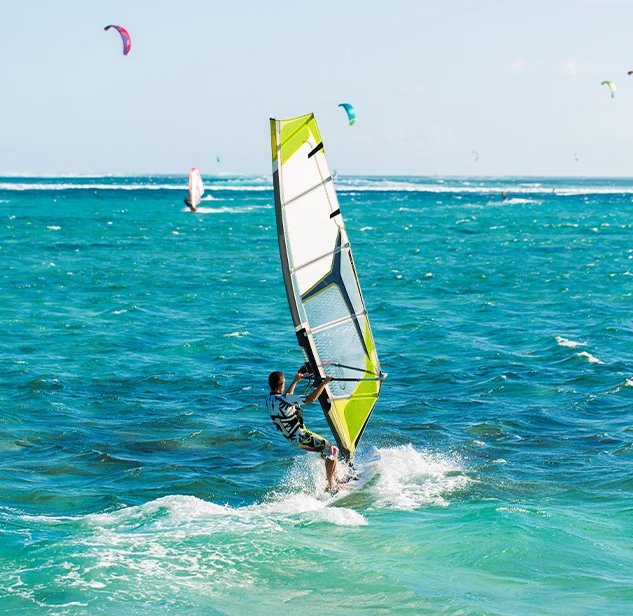
The best windsurfing spots in Corsica: flat water or waves?
There are numerous windsurfing spots in Corsica and ideal areas for kiteboarding. Each location has its own characteristics, making it better suited to one type of activity than another, and allowing you to make the most of the dominant winds of the Bocche di Bonifacio. The choice of spot depends on your level and the discipline you practise. Here is how to navigate between Baia di Sant’Amanza, Piantarella and the other spots.
Spots for beginners and freeride (flat water)
Piantarella Beach
Near Bonifacio, Piantarella is famous for its mix of flat inner waters and open sea exposed to the wind, perfect for technical sessions and for those seeking more demanding challenges.
Santa Giulia Beach
Located on the south-eastern coast of Corsica, Santa Giulia offers shallow, transparent and almost always flat water near the shore, perfect for those learning windsurfing, kitesurfing or wingfoil. The wind enters regularly from the open side of the bay, guaranteeing safe conditions for first sessions and relaxed freeride sailing. The beach is easily accessible, with nearby parking and tourist facilities close at hand.
Spots for intermediate and advanced riders (waves and strong wind)
Balistra Beach
Located within the Golfo di Sant’Amanza, it offers a wide, unspoilt beach. It is very popular with kiters because it provides space for launching and slightly choppy water conditions that are very enjoyable.
Porto Pollo Beach
Located on the south-western coast of Corsica, Porto Pollo is ideal for those seeking consistent winds and wide open water, suitable both for experienced freeriders and for those who want to train in more controlled conditions.
Baia di Sant’ Amanza
Known for its sustained winds and waves, Sant’Amanza requires experience and offers dynamic conditions, making it one of the most popular spots among experts. The wind enters cleanly here, making it perfect for wingfoil and freeride windsurfing.
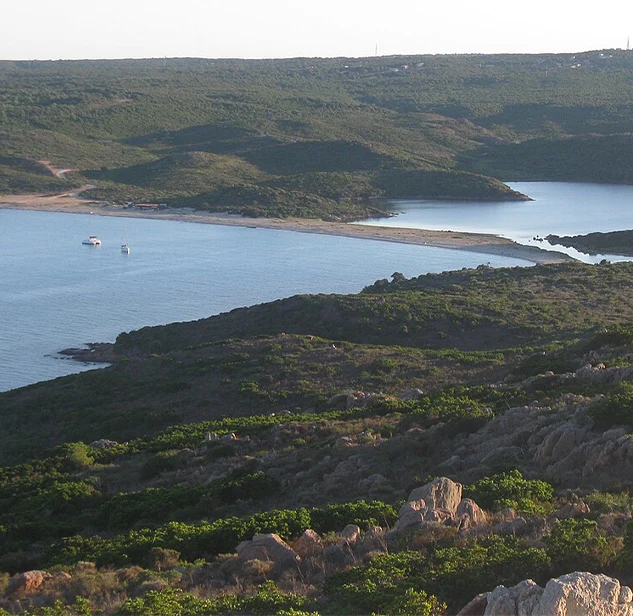
📷 Photo: TeletubAstyanax / Wikimedia Commons – Plage et étang de Balistra 02 (CC BY-SA 4.0)
Practical tips for windsurfing and kitesurfing in Corsica: rent and logistics
If you prefer to travel light, spots such as Piantarella and Sant’Amanza offer specialist centres with the latest equipment to rent for windsurfing, kite and foil. Local schools are invaluable for those approaching a spot for the first time, as they can provide precise information on currents and the restricted areas of the Natural Reserve.
Some practical tips for organising an effective and safe day:
- Check weather forecasts and wind intensity: platforms such as Windfinder or specialist apps provide data on speed, direction and gusts. Monitoring conditions in the hours before heading out is useful for choosing the most suitable spot and deciding whether to go in the water or wait for more favourable conditions.
- Own equipment or hire: those who own a board, sail or kite can manage their sessions better, while those who prefer to travel light can use local hire centres. Many spots offer schools and rental with instructors, also useful for technical updates or advice on the day’s conditions.
- Prepare the right clothing and accessories: wetsuits, buoyancy aids and helmets are important especially on windy days with rough seas. Do not forget sunscreen, water and snacks to maintain energy and concentration during long sessions.
- Transport: A well-known habit among experienced riders is to organise a day between the two shores of the strait. Thanks to the fast ferry connections of Ichnusa Lines between Santa Teresa Gallura and Bonifacio, with easy and quick boarding, it is possible to leave in the morning from Sardinia, reach Corsican spots such as the Piantarella Lagoon and return in the evening. To make the most of the day, it is advisable to research and plan inter-beach travel in advance. To reach some areas, having your own vehicle is essential, as no public transport connections exist.
It is advisable to always have a safety plan: inform friends or instructors about your session, know the quick access points to the beaches and have local contacts for any emergencies. This way, even the most demanding days in terms of wind and rough sea can become safe and enjoyable sessions.
📷 Photo: lo.tangelini / Wikimedia Commons – Flickr – lo.tangelini – Piantarella (CC BY-SA 2.0)