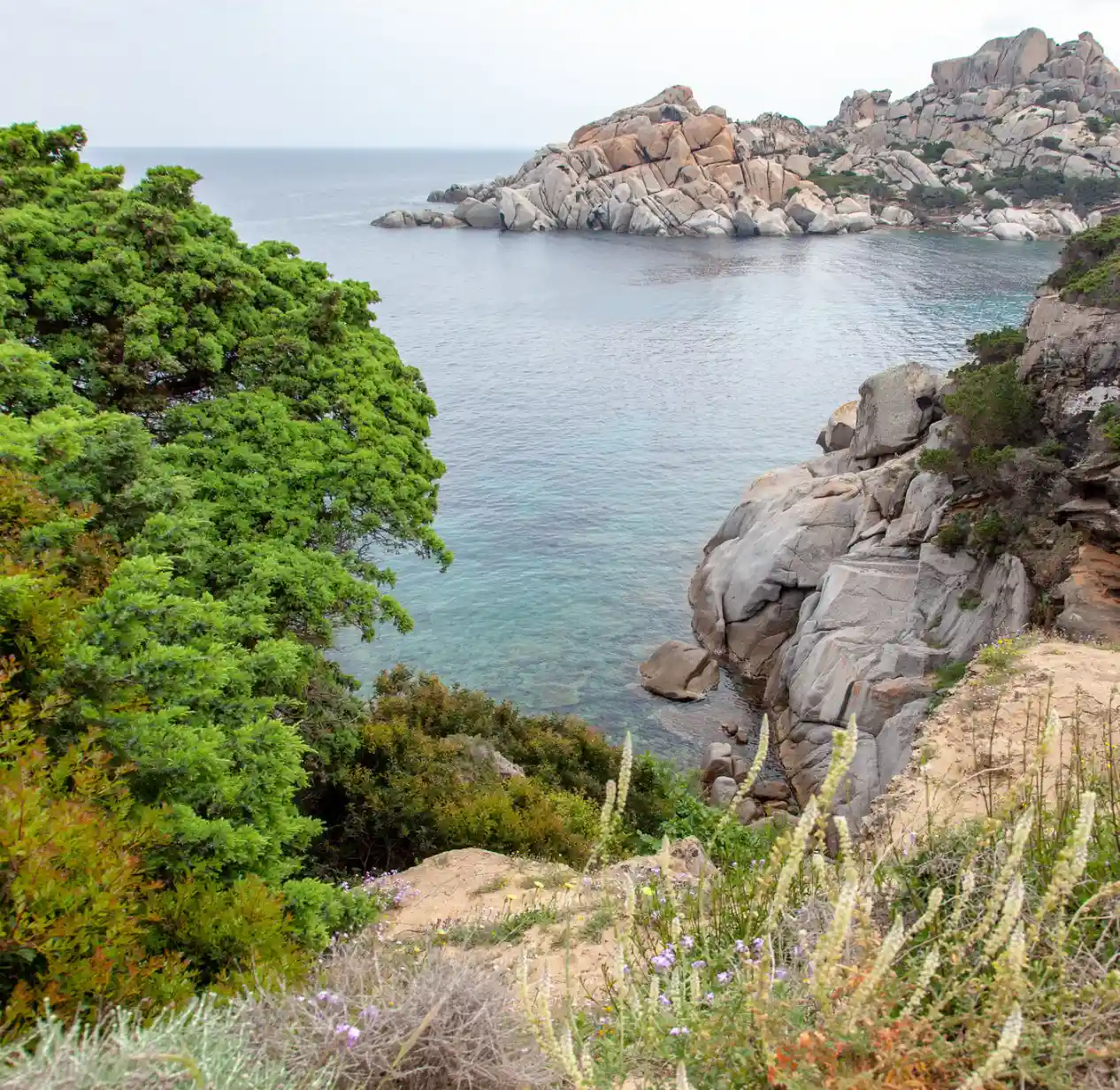
Santa Teresa di Gallura: a guide for trekking and nature lovers
Far Beyond standard beach life
Anyone arriving in Santa Teresa di Gallura planning to spend the day at the beach soon discovers that this small town at the northern tip of Sardinia has far more to offer.
The Capo Testa promontory, the Site of Community Importance (SCI) just outside the town, the coastal paths cutting through the Mediterranean scrub, the natural pools hidden among the rocks: for anyone who loves moving on foot and staying close to nature, Santa Teresa is an ideal base for exploring one of the wildest stretches of coastline on the island.
📷 Cover photo: Viaggia e Scopri / Flickr — Santa Teresa di Gallura, Sassari (CC BY 2.0)
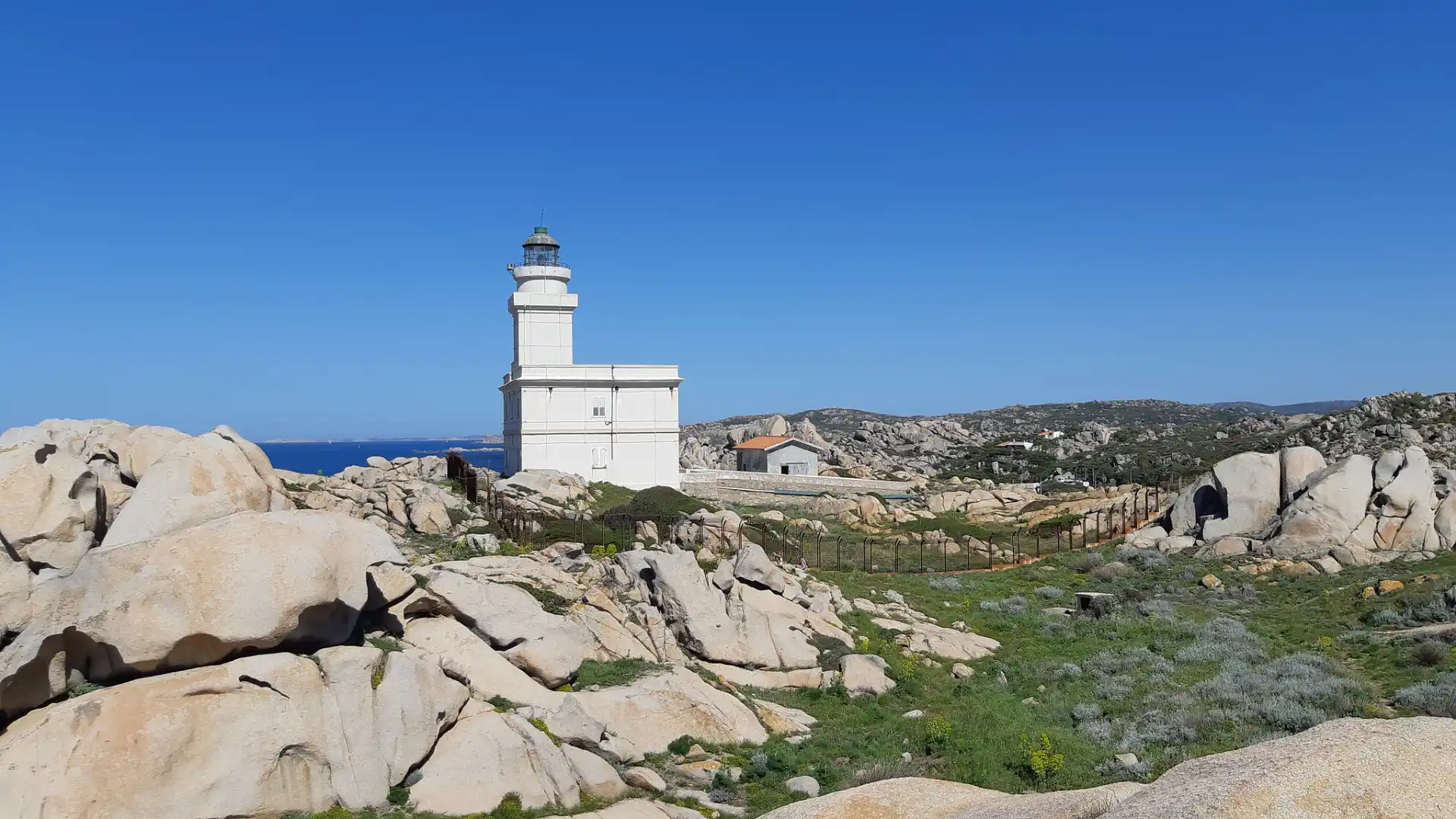
Hiking in Gallura: a paradise of granite, wind and Mediterranean scrub
Gallura is the northernmost region of Sardinia, and its landscape is instantly recognisable: pink granite rocks shaped by erosion, low and fragrant vegetation, a sea that changes colour in every bay. Santa Teresa stands on a promontory 40 metres above sea level, looking out towards Corsica: in summer, you can see the white cliffs of Bonifacio with the naked eye, just 12 kilometres away.
The surrounding area is classified as a SIC (Site of Community Importance), one of the most important European conservation designations. This means the flora and fauna of the area are subject to active protection: the Mediterranean scrub preserves rare species, the seabed is home to Posidonia meadows and colourful fish, and seabirds nest undisturbed on the cliffs.
When to go: spring (April–June) and autumn (September–October) are the best periods for trekking. In summer, the heat can be intense and the trails busier. The best times to walk are early morning or late afternoon.
What to bring: closed shoes with sturdy soles (flip-flops are absolutely not suitable), plenty of water (drinking fountains are rare along the trails), high-protection sunscreen, a hat, a photo camera.
Parking: a paid car park is available near the isthmus at Capo Testa. It fills up quickly in high season: arrive by 9 am to find a space.
How to get to Santa Teresa: the Ichnusa Lines ferry connects Bonifacio to Santa Teresa in 50 minutes. Once you disembark at the port, Capo Testa is reachable on foot (about 45 minutes) or by car/bike in 10 minutes along the main road.
📷 Photo: Rolf Dietrich Brecher / Flickr — Capo Testa National Park Sardegna (CC BY 2.0)
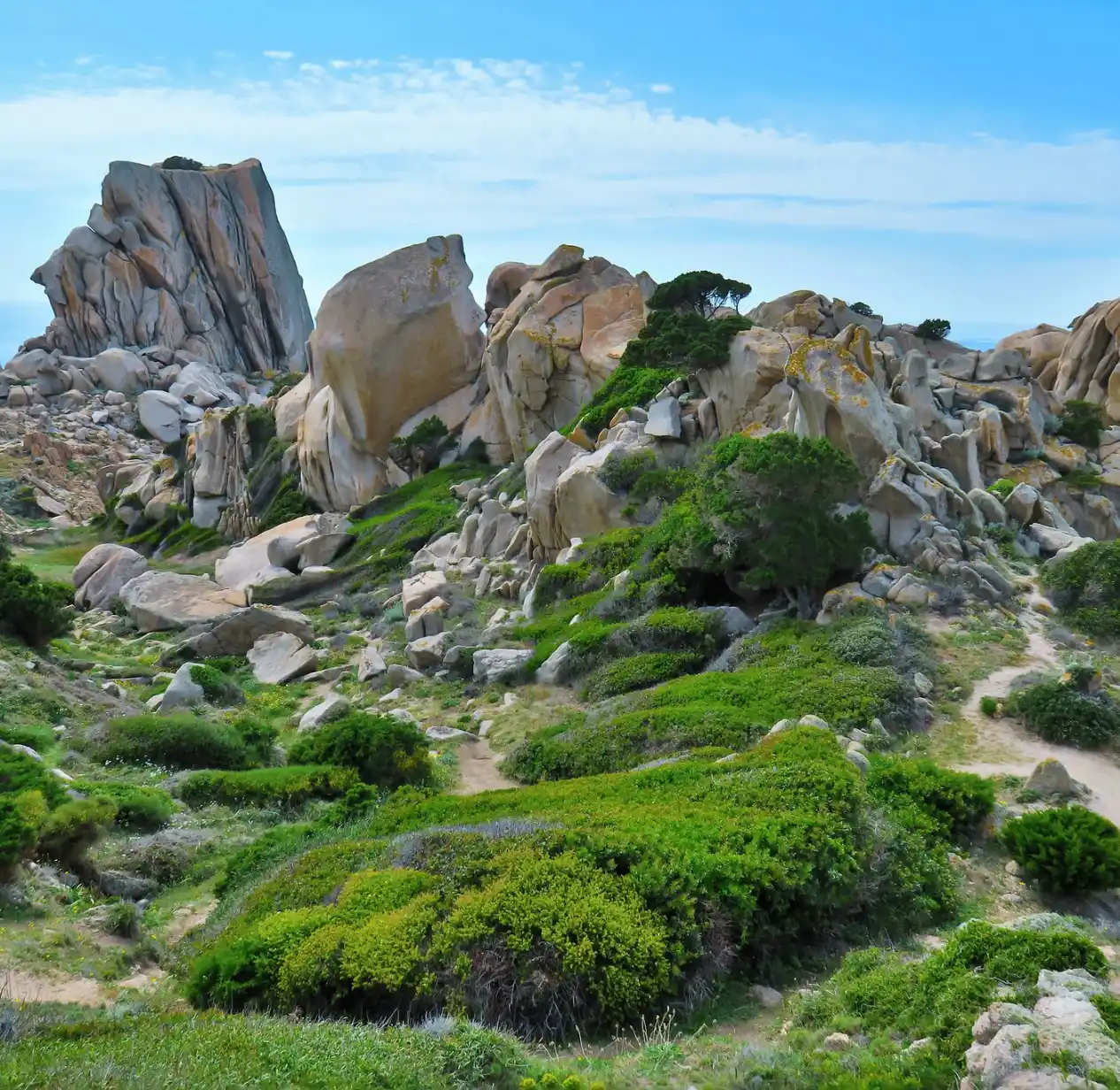
Unmissable trails on the Capo Testa promontory
Just a 10-minute drive from Santa Teresa, the Capo Testa promontory is the natural starting point for any excursion in the area. Joined to the mainland by a sandy isthmus that hosts the twin beaches of Rena di Levante and Rena di Ponente, the promontory offers a network of informal trails winding among the rocks, hidden coves and low scrubland.
The Valle della Luna (Cala Grande)
Within the promontory, the Valle della Luna (Moon Valley) is one of the most striking spots in all of Gallura. Labyrinths of wind-eroded granite rocks form natural corridors and amphitheatres, in a landscape reminiscent of the moon (hence the name, given by a hippie community that settled here in the 1960s and still returns to stay among the rocks every summer).
The path to the lighthouse
Following the promontory’s main route, you reach the Capo Testa Lighthouse, built in 1845 and still in operation. It’s one of the most important lighthouses for navigation in the Strait of Bonifacio, and its position offers a spectacular view over the strait. Along the way you’ll encounter the ancient Roman quarries: semi-worked granite blocks abandoned two thousand years ago, originally destined for the columns of Rome’s imperial monuments.
Difficulty: low. The route is easy but requires closed shoes: the terrain is entirely granite, with some uneven sections. Not suitable for flip-flops.
Duration: 1.5–2 hours round trip, including stops.
The natural pools: swimming among the rocks
One of the most beautiful discoveries for those exploring Capo Testa are the natural pools: small inlets formed by the rocks where water collects in naturally beautiful basins. The water is crystal clear, sheltered from the waves, and its colour ranges from emerald green to deep turquoise depending on depth and light. These are ideal spots for swimming away from the crowds of the equipped beaches, immersed in a silence broken only by the sound of the sea.
The most popular natural pools are found along the northern side of the Capo Testa promontory, reachable on foot from the area’s car parks. Some are easily accessible, others require a bit of rock scrambling: keep an eye on sea level and wind conditions before approaching the more exposed areas.
Cala Spinosa: snorkelling with a view of Corsica
Among the hidden coves of Capo Testa, Cala Spinosa is perhaps one of the most spectacular. Reachable only on foot, around a 20-minute walk from the car park, this small inlet offers calm waters, seabeds rich in fish and coral, and a direct view of the white cliffs of Bonifacio closing the horizon to the north. It’s one of the best snorkelling spots in the whole area: bring a mask and fins, and the show won’t disappoint. The path to Cala Spinosa is demanding and steep, so proceed with caution.
📷 Photo: Roby Ferrari / Flickr — La barchetta in mezzo al mare (CC BY-SA 2.0)
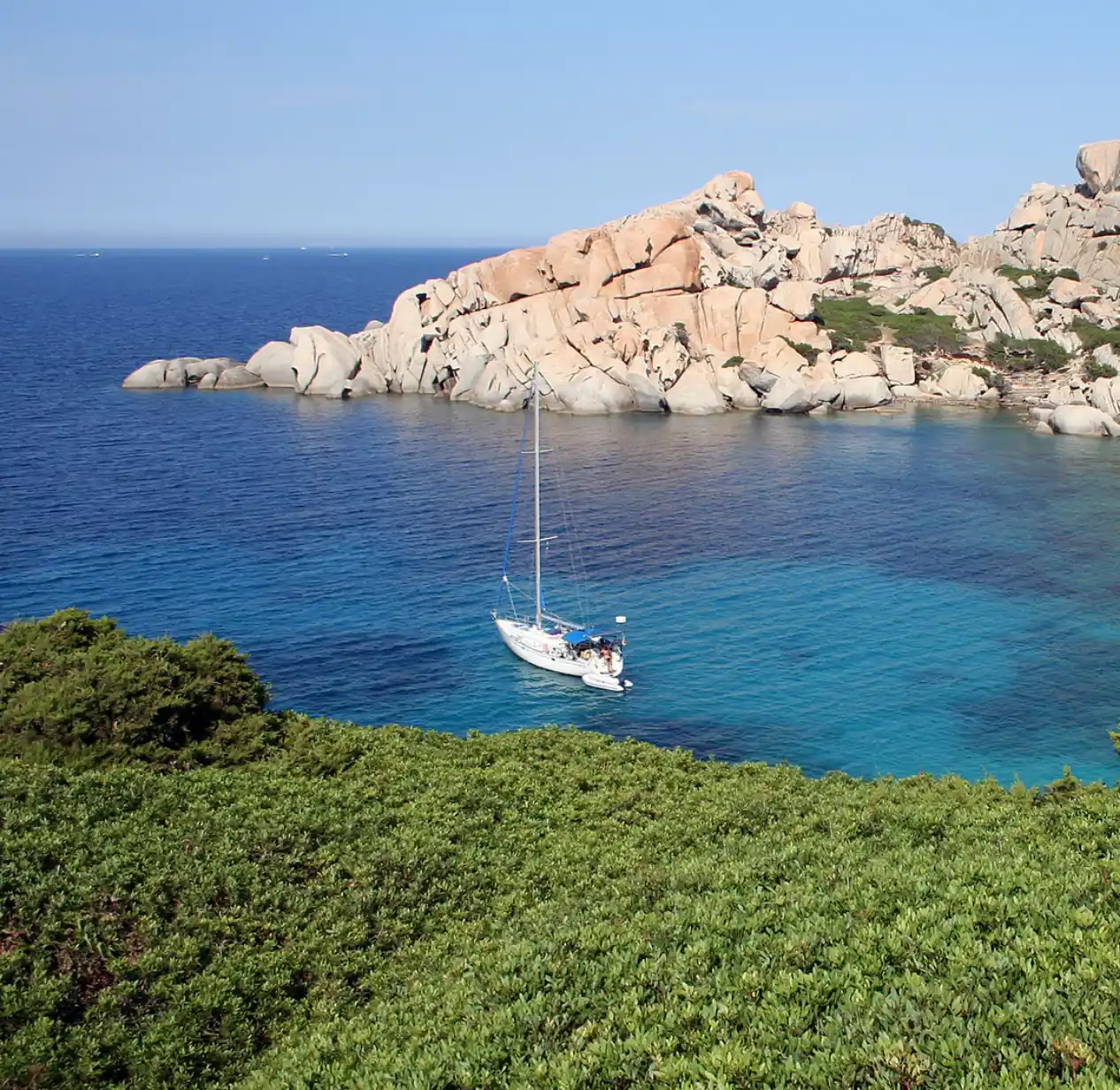
Biodiversity in Gallura: flora and fauna to spot along the trails
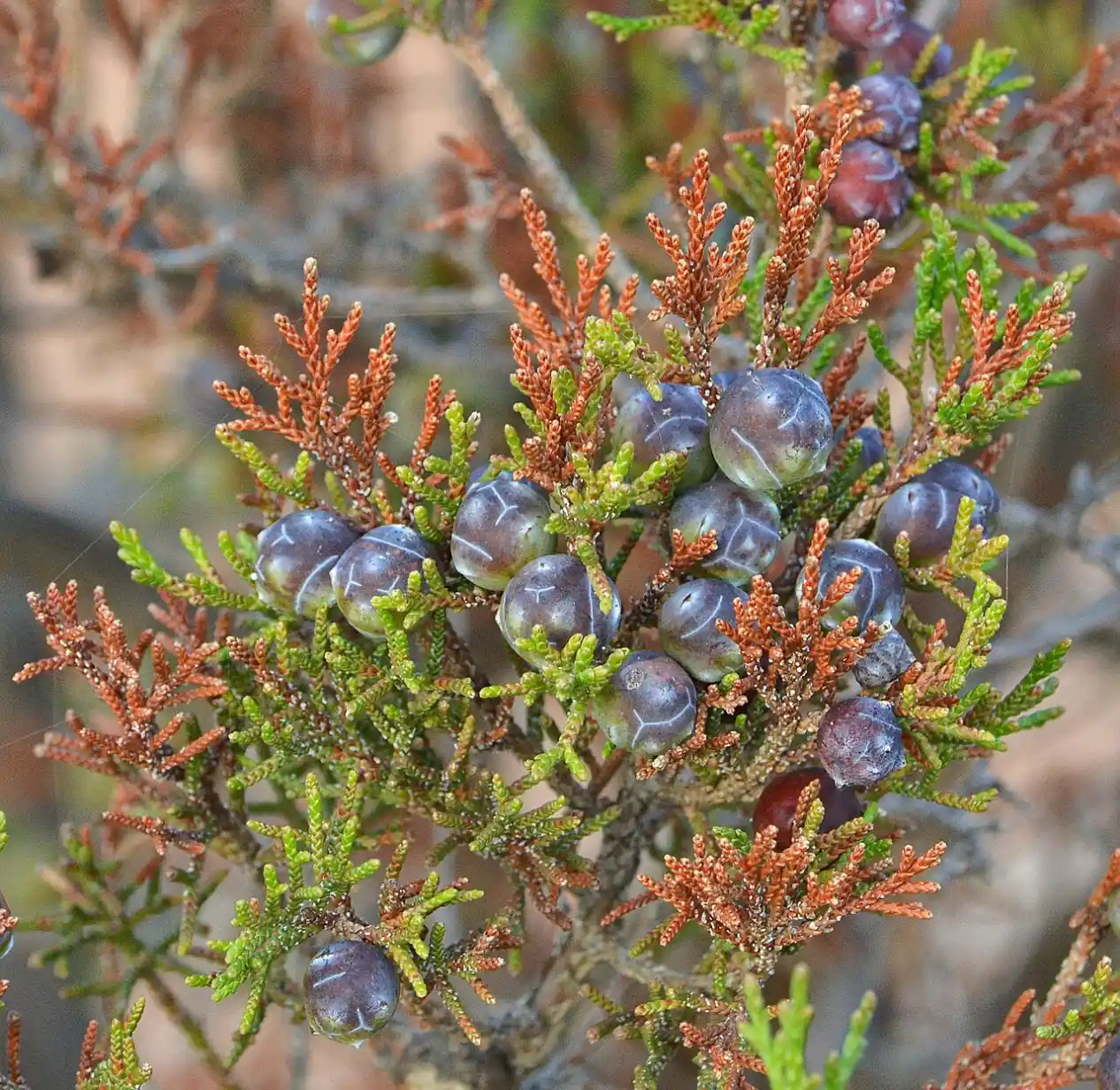
The Mediterranean scrubland of Gallura is one of the richest environments in northern Sardinia. The dominant scents come from mastic, Phoenician juniper and rockrose: low, hardy plants that cover the ground among the rocks and are home to a varied wildlife.
Attentive walkers can spot Tyrrhenian wall lizards, Hermann’s tortoises and, in the cooler morning hours, Sardinian hares. Birds are the stars of the cliffs: the Audouin’s gull (Larus audouinii), a protected species found in the area, is one of the most distinctive presences, along with the European shag and the Yelkouan shearwater, which nests in the crevices of the rocks.
At sea, the seabeds around Capo Testa are home to Posidonia meadows, groupers, octopuses, sea urchins and abundant fish life. With a mask and fins, you can observe these ecosystems directly from the shore.
📷 Photo: Ryan Hodnett / Wikimedia Commons — Phoenician Juniper (Ginepro fenicio) (Juniperus phoenicea) – Cagliari, Italy 2024-03-29 (02) (CC BY-SA 4.0)
A territory to experience with respect
The trails of Capo Testa lie within an area of community importance: this means the flora, fauna and geology are subject to active protection. A few simple rules: don’t pick plants or flowers, don’t leave litter, don’t light fires, don’t approach seabird nests. The trails are informal and not always marked: bring an offline map or a screenshot of the route before setting out.
Seen from the inland areas of Capo Testa, Santa Teresa di Gallura reveals its true identity: not just a seaside town, but a natural landscape of rare beauty, where every trail leads to a new discovery. It’s well worth dedicating the time it deserves.
📷 Photo: Nicolas Vollmer / Flickr — Capo Testa (CC BY 2.0)