Slow travel: the charm of Sardinia’s scenic trains
Timeless and Unspoiled
There’s a different way to discover Sardinia. Not the serviced beach, not the motorway to the sea: a wooden carriage gliding slowly along metre-gauge tracks, through cork oaks, granite and the scent of wildflowers. The Trenino Verde della Sardegna is a rail experience that D.H. Lawrence had already celebrated, writing that “Sardinia is out of time and history.”
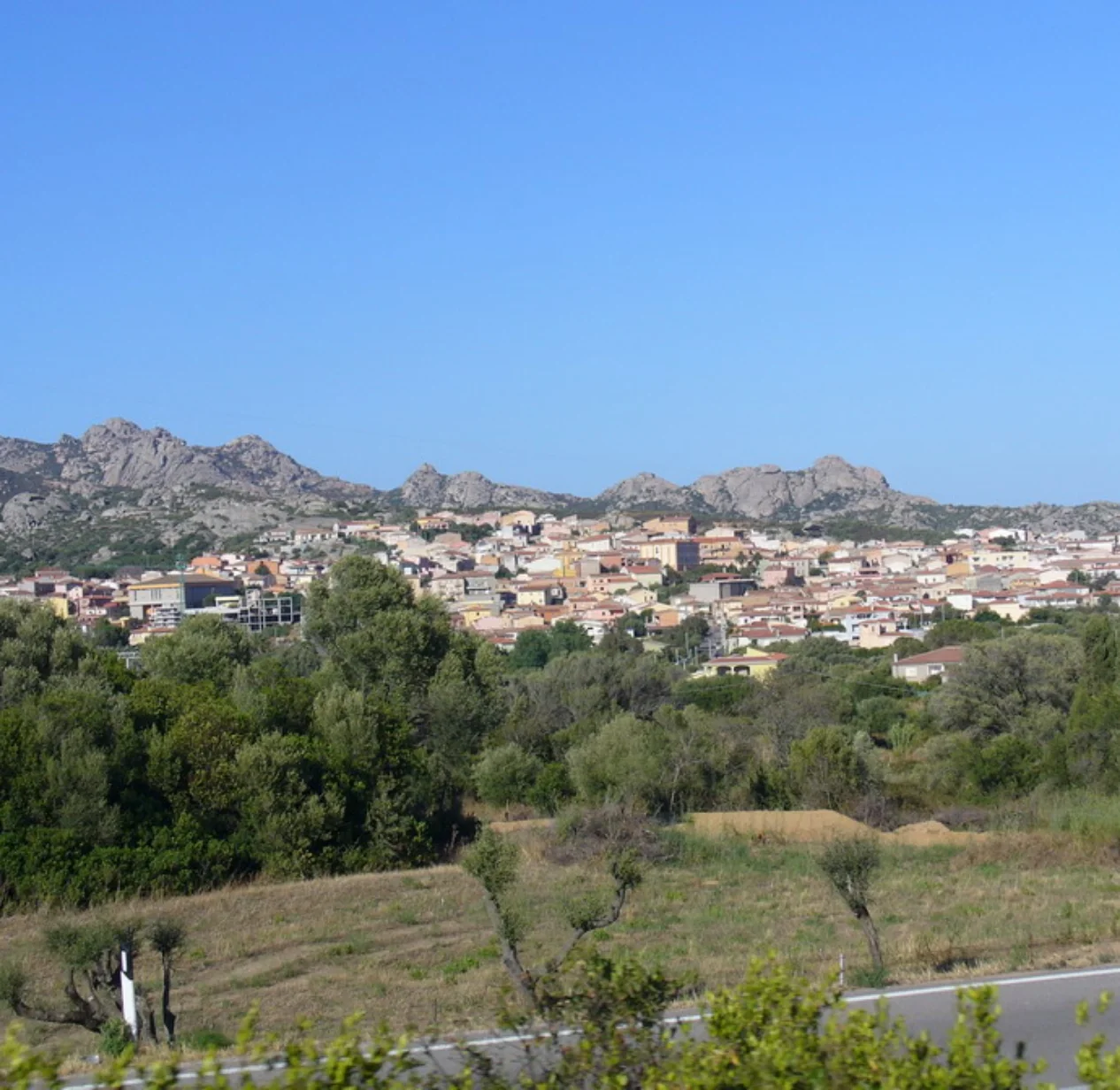
📷 Cover photo: Keith Ruffles / Wikimedia Commons — View from the Trenino Verde – panoramio (CC BY 3.0)
What is the Trenino Verde della Sardegna
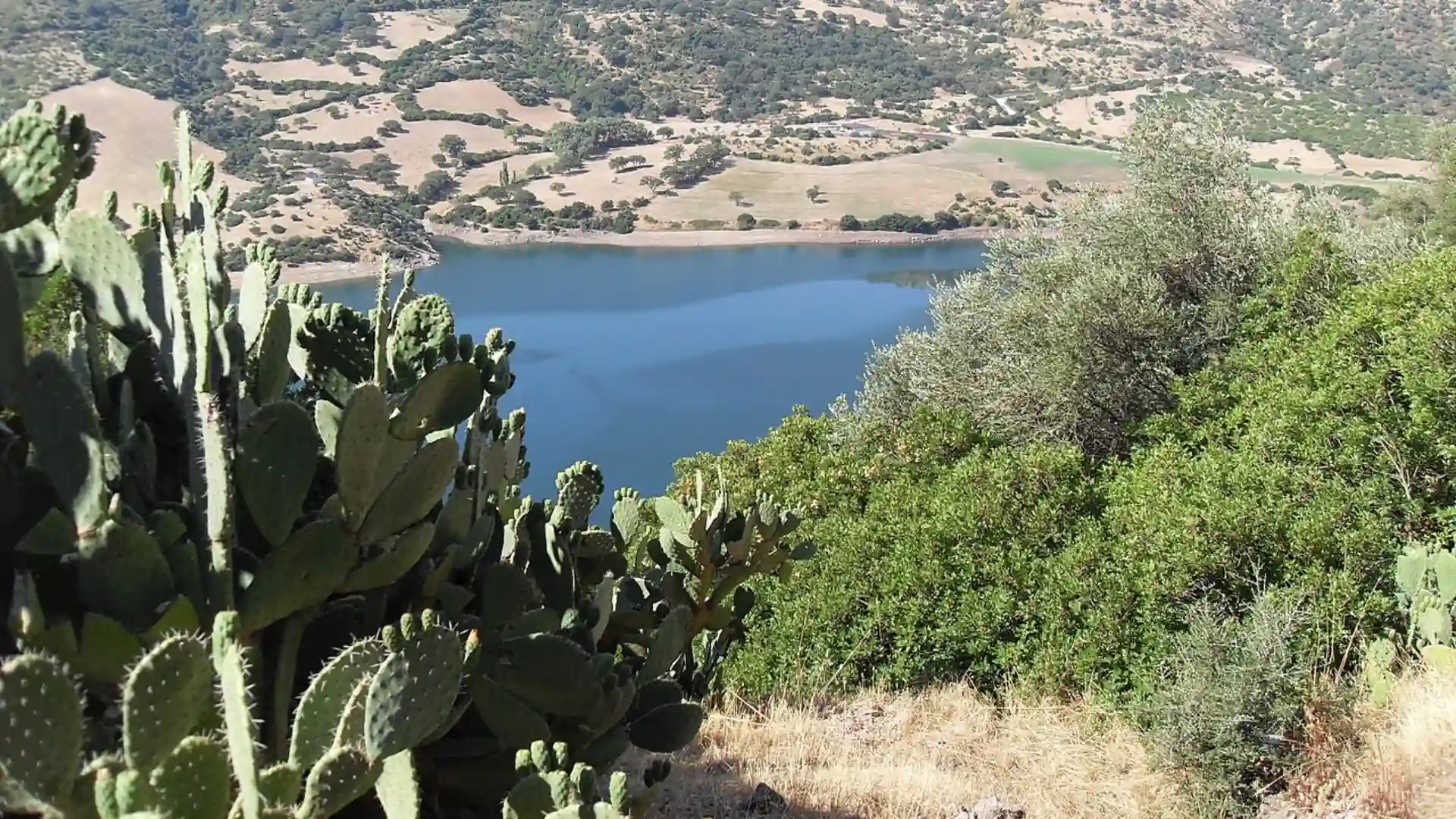
The Trenino Verde (Little Green Train) is a tourist rail service run by the ARST (Azienda Regionale Sarda Trasporti) over a network of around 404 kilometres of narrow-gauge railway (metre-wide tracks, compared to the metre-and-a-half European standard). This technical feature, long seen as a limitation, is actually the reason for its extraordinary beauty: the narrower tracks allow for tighter curves and steeper gradients, letting the trains venture into mountainous terrain and gorges that ordinary trains could never reach.
The Trenino Verde isn’t a means of transport: it’s an experience. Average speeds hover around 30 km/h, deliberately slow, to let passengers see the landscape, photograph it, savour it. The vintage carriages, with their wooden seats and opening windows, capture the charm of rail travel from an era when getting somewhere was a conscious act, not just a means to an end. It’s a slow journey by definition, and that slowness is its whole reason for being.
The Trenino Verde network operates in tourist form on five main lines, with seasonal departures from April to October according to a calendar set by the ARST. Throughout the year, it’s also possible to charter a customised train ride, choosing the route, timetable and stops.
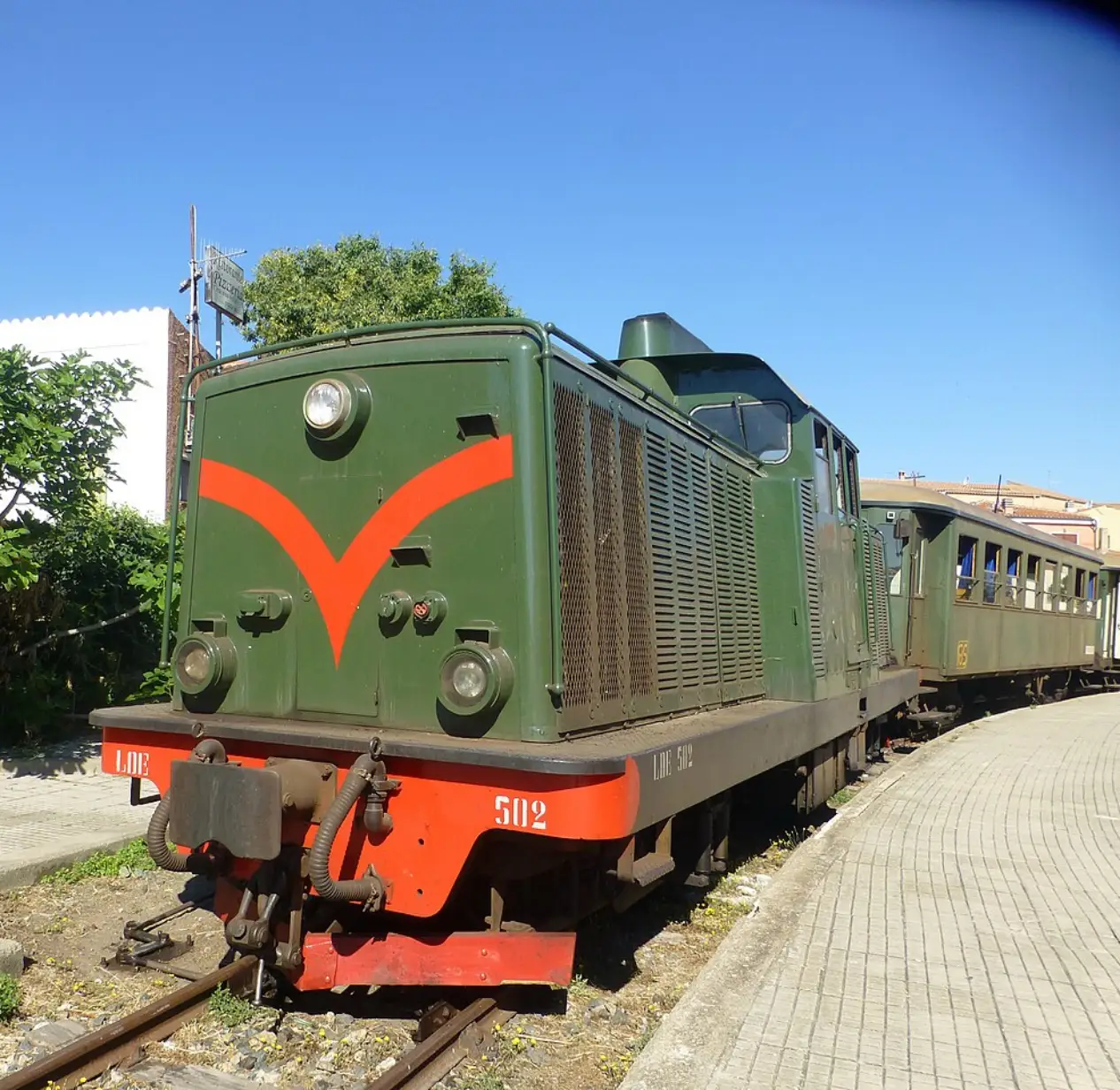
📷 Photo: MAXDERKAX / Wikimedia Commons — Trenino verde in palau (CC BY-SA 4.0)
The five historic Trenino Verde lines: a journey for every landscape
Mandas – Arbatax: the queen of Sardinian railways
With its 159 kilometres of track through Ogliastra and the limestone Tacchi peaks, the Mandas–Arbatax is the longest and most celebrated Trenino Verde line. It sets off from the Campidano hinterland and descends towards the Tyrrhenian coast, passing through landscapes of extraordinary variety: cork oak forests, deep gorges, viaducts suspended mid-air, the Tacchi d’Ogliastra rising from the plain like rocky citadels. The currently operating section connects Arbatax to Lanusei (34 km), with an extension to Gairo on a themed route. Important update: the full Mandas–Arbatax route has been suspended for bridge safety works. Before booking, check the updated calendar at sardegnatreninoverde.com or arst.sardegna.it.
Isili – Sorgono: in the heart of the Barbagia
The Isili–Sorgono line runs 83 kilometres through the Barbagia, the mountainous, traditional heart of Sardinia. The villages it passes through (Laconi, Meana Sardo, Belvì) still preserve the island’s oldest customs. It’s perhaps the most authentic route, one where the train slows down and passengers can hear a church bell or catch the smell of a wood-fired oven.
Macomer – Bosa Marina: from the Marghine to the sea
46 kilometres between the basalt plateau of the Marghine and the sea of the Planargia, arriving at Bosa Marina, one of the most beautiful villages in Sardinia. The route descends gradually towards the coast, passing through Malvasia vineyards — the region’s signature wine — and century-old olive groves. One of the preferred routes by food and wine enthusiasts.
Sassari – Tempio – Palau: the Trenino Verde in Gallura
The line most relevant to those travelling with Ichnusa Lines is the one that crosses Gallura, the region around Santa Teresa: the Sassari–Nulvi–Tempio–Palau (116 km), currently active on the Tempio Pausania–Luras stretch. This line connects the Gallura hinterland with its “city of granite,” Tempio Pausania, famous for its carnival and Vermentino wine, to the natural corridors of the north coast. A way to discover Gallura away from the beaches. Before booking, check the updated calendar at sardegnatreninoverde.com or arst.sardegna.it.
Cagliari – Mandas: from the capital to the hinterland
The Cagliari–Mandas route is ideal for those setting off from the capital who want a taste of the hinterland without venturing too far. It crosses the southern Campidano and the Trexenta, with an agricultural landscape that changes with the seasons: golden in summer, deep green in spring.
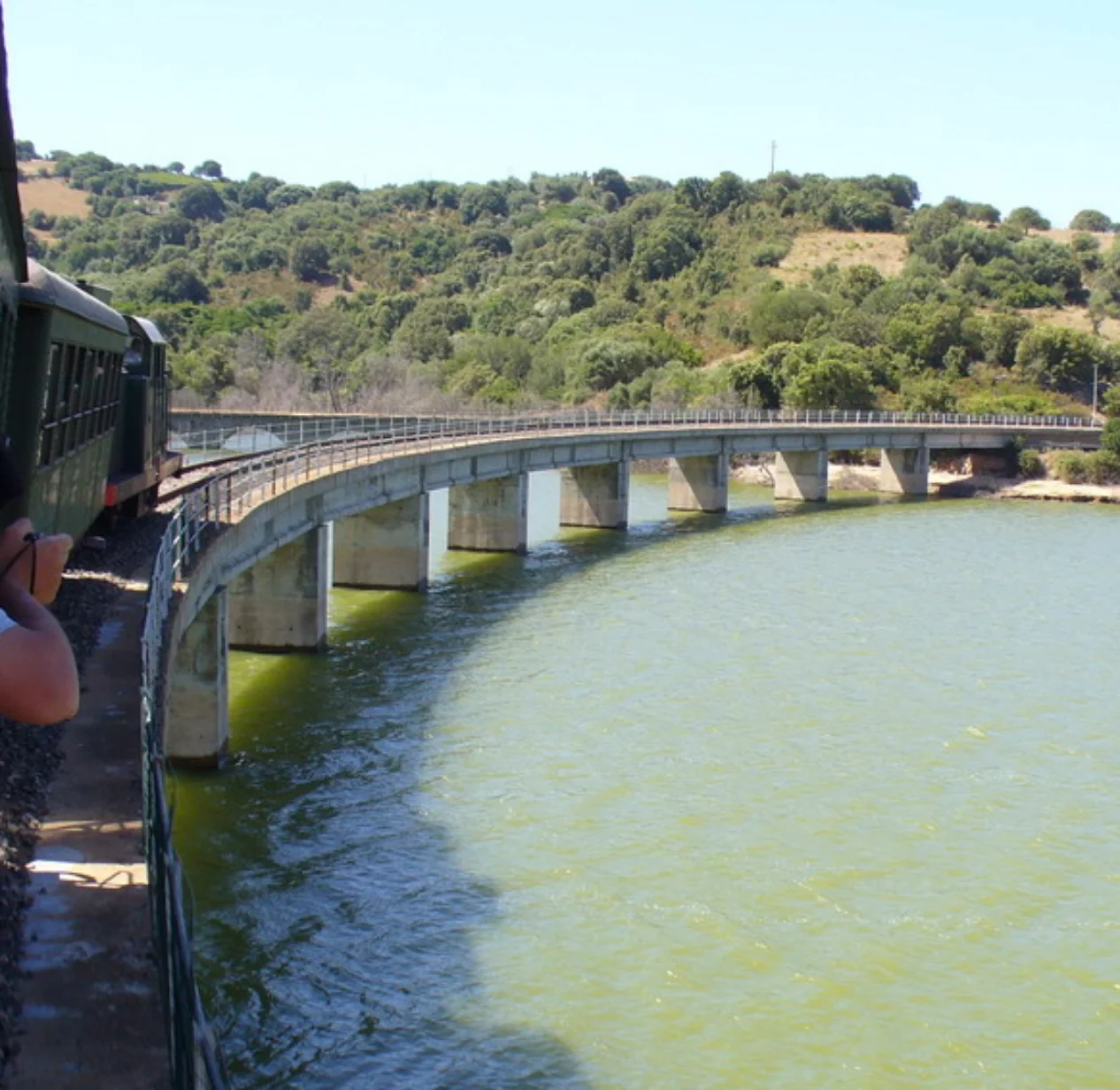
📷 Photo: jeffwarder / Wikimedia Commons — File:Trenino Verde – Lago di Liscia – viaduct over the lake – panoramio (CC BY-SA 3.0)
How to combine the Trenino Verde with the ferry
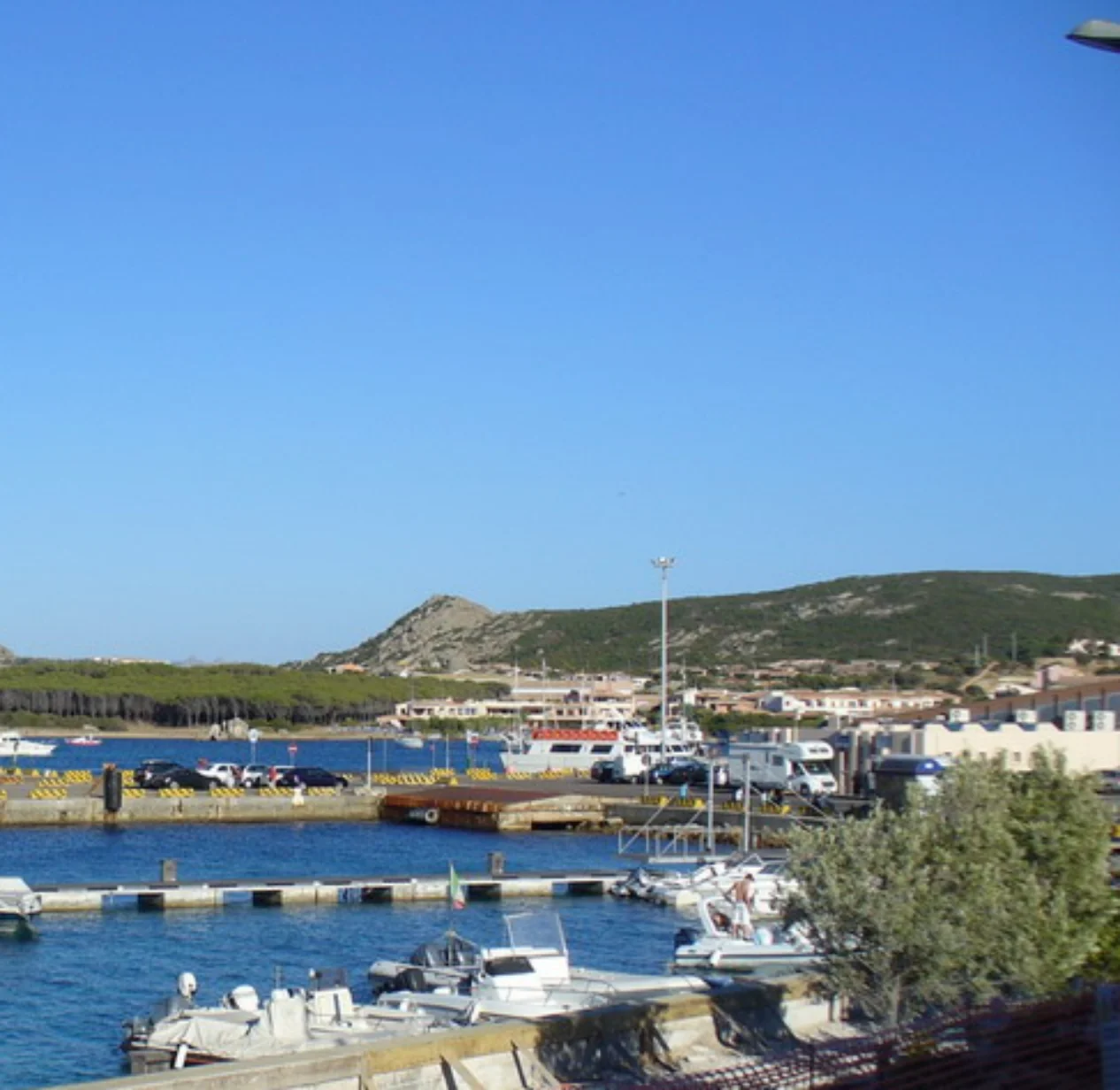
For those arriving in Sardinia by sea from Bonifacio with Ichnusa Lines, the Trenino Verde can become the natural continuation of the journey. After disembarking at Santa Teresa di Gallura, reaching Palau by car (20 minutes) or ARST bus and boarding the Trenino Verde in Gallura towards Tempio Pausania is one of the most evocative ways to venture into the island without a car. Tempio Pausania, with its grey granite historic centre, the Rinaggiu thermal baths and the Vermentino wineries, deserves a stop.
Alternatively, the ferry-plus-Trenino Verde combination can be spread over several days: arrive in Santa Teresa, take a bus to Olbia or Cagliari, board the Trenino Verde and return to Corsica via Bonifacio at the end of the rail route.
📷 Photo: jeffwarder / Wikimedia Commons — File:Trenino Verde – arriving in Palau – commercial port – panoramio (CC BY-SA 3.0)
Practical information: how to book tickets, seasonality and tips
Logistics and booking: wondering where to buy tickets for the Trenino Verde? ARST handles bookings directly through the arst.sardegna.it website and through official partners. It’s advisable to book in advance, especially for the summer departures in July and August, which sell out quickly.
Seasonality: tourist departures generally run from April to October, according to a calendar that varies each year. Some routes operate only in the summer months; others, such as Macomer–Bosa, also have departures in spring and autumn.
Private charter: throughout the year, it’s possible to charter a customised train for groups, choosing the route, time and stops. Ideal for events, birthdays, weddings or corporate excursions.
What to bring: water and snacks, layered clothing (the carriages are open-air or naturally ventilated), comfortable shoes, a photo camera.
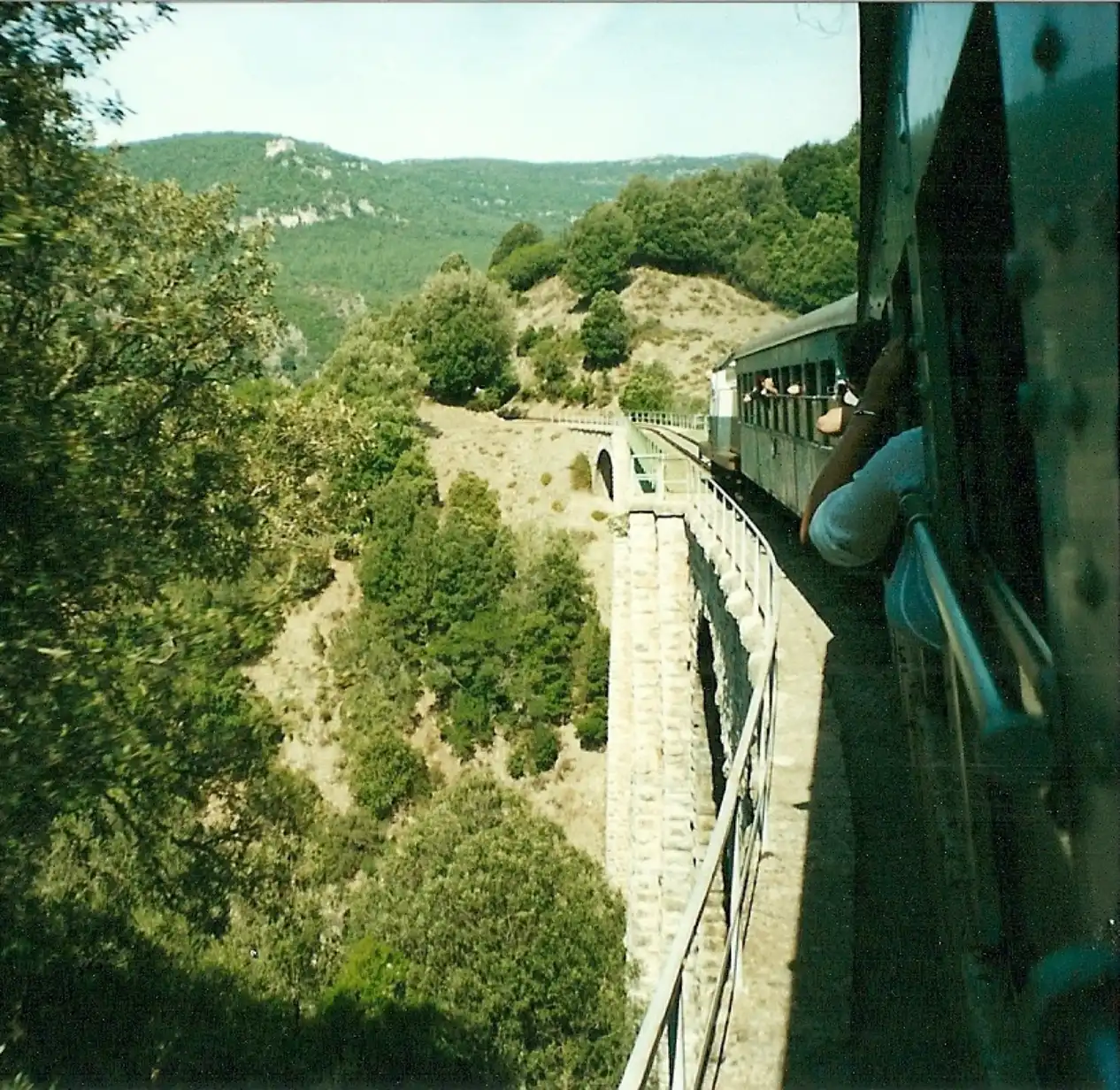
📷 Photo: Walter Della Schiava / Wikimedia Commons — Il trenino verde(il spacheschenes) – panoramio (CC BY-SA 3.0)
Why travelling slow changes the way you see Sardinia
Sardinia is an island that reveals itself slowly. Driven on the motorway, you see little. Seen from the plane, you only make out its shape. But from the window of a train at 30 km/h, on metre-wide tracks that follow every twist of the terrain, the island opens up one landscape after another with generosity: a village hidden in a valley, a centuries-old cork oak, a nuraghe on the crest of a hill, the sea appearing suddenly at the bottom of a steep descent.
That’s what the Trenino Verde is: an invitation to slow down, to look, to understand that the real Sardinia is never quite where you expect to find it.
📷 Photo: jeffwarder / Wikimedia Commons — File:Trenino Verde – Arzachena – panoramio (CC BY-SA 3.0)